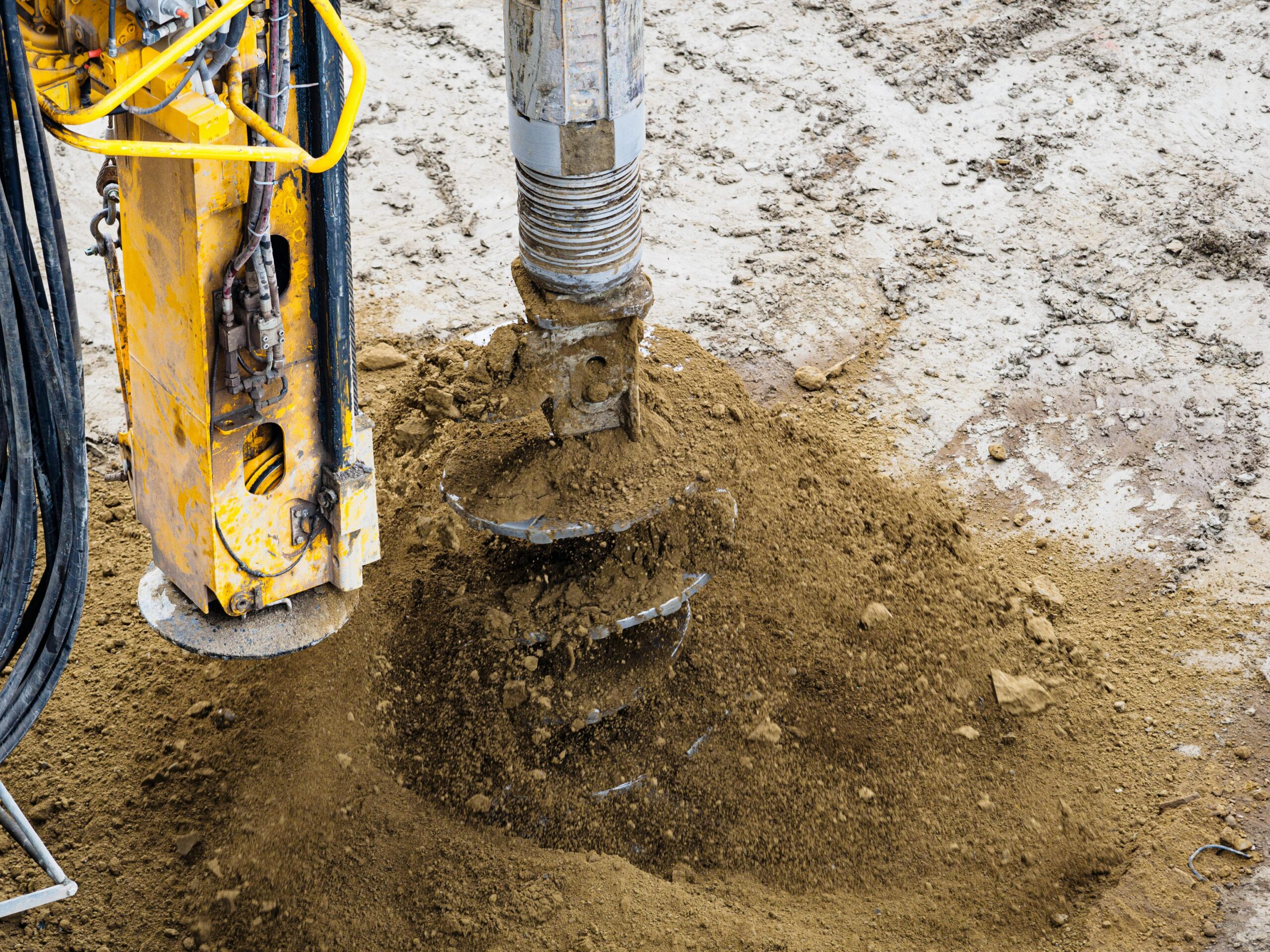
When it comes to construction, what you don’t know can hurt you—especially when it’s hidden underground. At EDC, we’ve seen time and again how a well-executed geotechnical investigation can be the difference between a smooth project and a costly setback.
Giles Learman, Engineering Geologist, the risks of limiting the scope and initial cost of undertaking a geotechnical assessment and conversely the gains of a robust upfront understanding of what lies beneath.
The Hidden Risk Beneath Every Site
Every site has a story beneath the surface. Whether it’s soft soils, buried fill, groundwater, or old infrastructure, these unseen conditions can significantly impact design, construction, and cost. A thorough geotechnical investigation helps uncover these risks early—before they become expensive surprises and the geotechnical report tells the story.
Saving Time Through Smarter Design
By understanding the ground conditions upfront, engineers can design foundations and earthworks that are tailored to the site. This often means avoiding overdesign, reducing material costs, and streamlining construction. It also helps avoid delays caused by redesigns or unexpected ground behaviour during construction.
While it’s tempting to opt for the lowest investigation quote, the difference between a good geotechnical report and a cheap, bare-minimum version can be monumental in terms of risk, long-term cost, and project success.
Reducing Consent and Construction Risk
A detailed geotechnical report supports smoother consenting by addressing council requirements and reducing the likelihood of RFIs. It also gives contractors confidence in the ground model, reducing the risk of claims, delays, or disputes during construction.
Case in Point: Bridge Abutment
Earlier this year, EDC was engaged to assist with a bridge abutment build that had settled significantly during construction, causing significant openings in MSE facing blocks. Whilst not the only possible cause, it soon became evident that the >4m high abutment had been assessed using only shallow hand augers. Using deep cone penetrometer testing (CPT), we learned that the soils beneath the hand augers were soft and estimated settlement in that soil when loaded was significant — demonstrating how thoughtful geotechnical input can deliver value on multiple fronts. Ultimately the abutment will need to be rebuilt using a ground improvement or piles – unplanned expense and time delays.
The Bottom Line
Geotechnical investigations aren’t just a box to tick—they’re a critical investment in the success of your project. At EDC, we believe in getting the ground right from the start. Because when you understand what lies beneath, you can build with confidence above.
The initial savings by ‘going cheap’ pale in comparison to the total cost of more conservative solutions and when things go wrong.
What Should You Look For?
When commissioning a geotechnical report, consider the credentials of the provider, the scope of their proposed investigations, and their track record with similar projects. Don’t hesitate to ask questions about the methods they use and the level of detail they will provide. Remember, the cheapest option is rarely the best value in the long run.