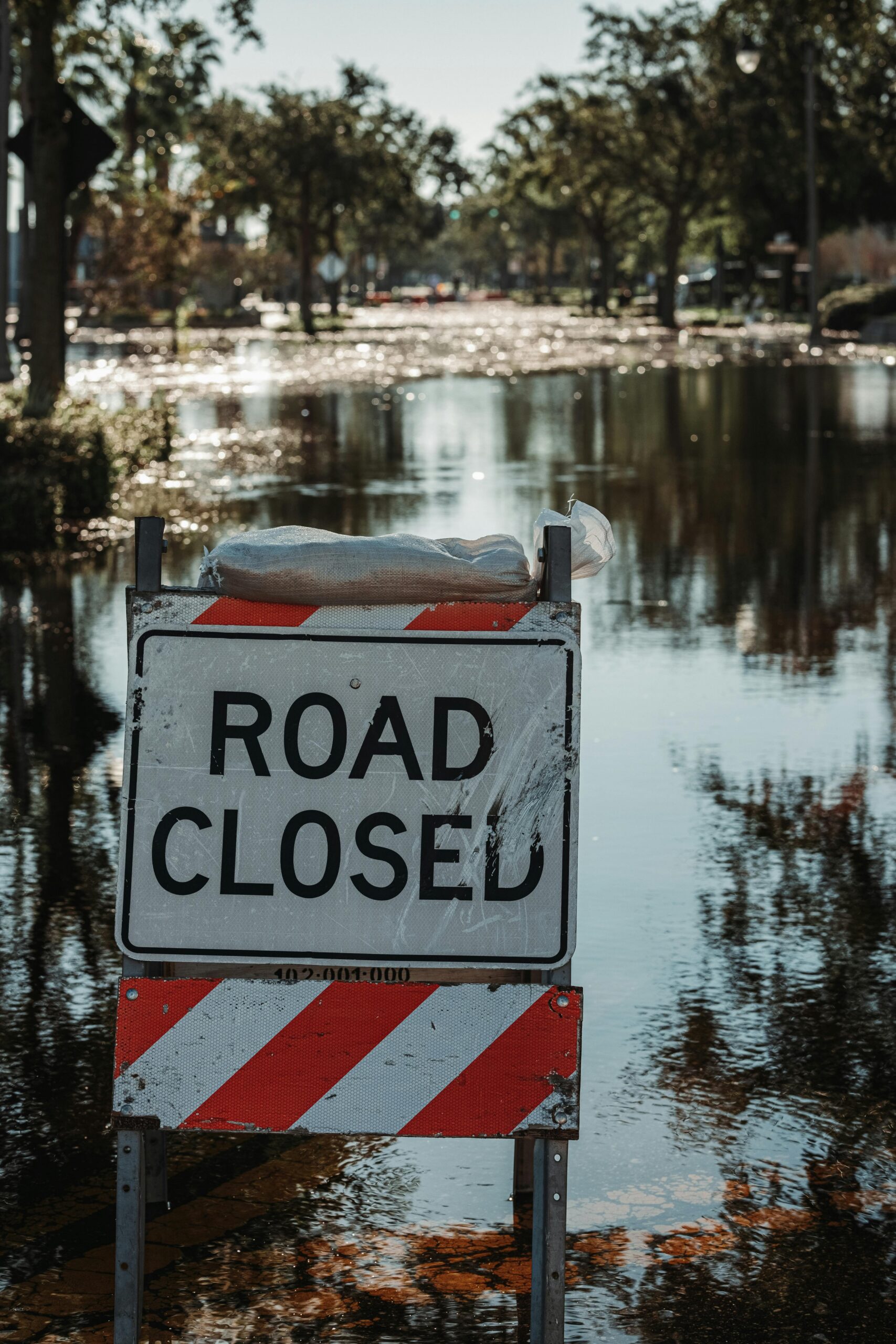
Auckland Council’s Plan Change 120 (PC120), introduced under the Streamlined Planning Process (SPP), represents a significant shift in how natural hazards—particularly flooding, land instability, and coastal inundation—are managed across the region. These changes aim to improve resilience following recent severe weather events and align with national policy on climate adaptation.
What Has Changed?
PC120 rewrites the E36 Natural Hazards and Flooding chapter of the Auckland Unitary Plan. The key change is a move from a “hazard presence” approach to a risk-based framework. Instead of simply identifying whether a site is within a floodplain or hazard zone, the new system evaluates:
- Likelihood, depth and impact of the hazard.
- Activity sensitivity (e.g., residential dwellings vs. carparks).
- Climate change considerations, including sea-level rise.
Flood and landslide hazard areas are now classified into four categories: Very High, High, Medium, and Low. Activities are grouped as Sensitive, Potentially Sensitive, or Less Sensitive, and combined with hazard categories to determine whether risk is significant, potentially tolerable, or acceptable. Development in areas of significant risk is generally to be avoided, while lower-risk areas may proceed with robust mitigation measures.
Immediate Legal Effect
Under section 86B of the Resource Management Act, provisions relating to natural hazard management have immediate legal effect. This means all current and future resource consent applications must comply with the new risk-based framework. Applicants will need to provide detailed risk assessments, demonstrate compatibility with hazard levels, and prioritize nature-based mitigation before hard-engineering solutions.
Implications for Applicants
For developers, landowners, and planners, these changes introduce:
- Higher information requirements for Assessments of Environmental Effects (AEE).
- Potential design modifications to reduce risk to acceptable levels.
- Increased scrutiny on stormwater management, slope stability, and coastal resilience.
Failure to address these requirements could result in delays or refusals of consent.
How EDC Can Help
At EDC, we specialize in civil and geotechnical engineering solutions tailored to meet these new regulatory demands. Our services include:
- Flood Risk Assessment & Hydraulic Modelling: Using advanced tools to map hazard zones and predict flood behaviour.
- Slope Stability Analysis: Ensuring safe development on challenging terrain.
- Stormwater Design & Resilient Infrastructure: Incorporating nature-based solutions where possible.
- Coastal Hazard Mitigation: Designing adaptive strategies for sea-level rise and coastal inundation.
Our team understands the technical and regulatory complexities of PC120 and can help you navigate the consent process efficiently, ensuring compliance while optimizing your project outcomes.
Need advice on your next project?
Contact EDC today to discuss how we can help you manage natural hazard risks and secure your resource consent under Auckland’s new planning framework.